
Ethics doesn't happen by accident. Neither does this work.

How This All Started.
A few years ago, driving back from Michigan with my wife, I found myself thinking about a question I couldn't resolve.
Why do so many organizations talk about their values constantly, put them on the walls, build them into orientation, require annual training, and then act like they've never heard of them when it actually matters?
It wasn't a new observation. I'd spent years inside health systems watching it happen. But somewhere on that drive it shifted from something I noticed professionally to something I felt I had to do something about.
That's where The Ethics Architect came from. Not from a belief that organizations are full of bad people, they're not. But from a conviction that good values without the right infrastructure, leadership, and culture to support them are just words. And words don't make hard decisions. People do.
Meet Jason
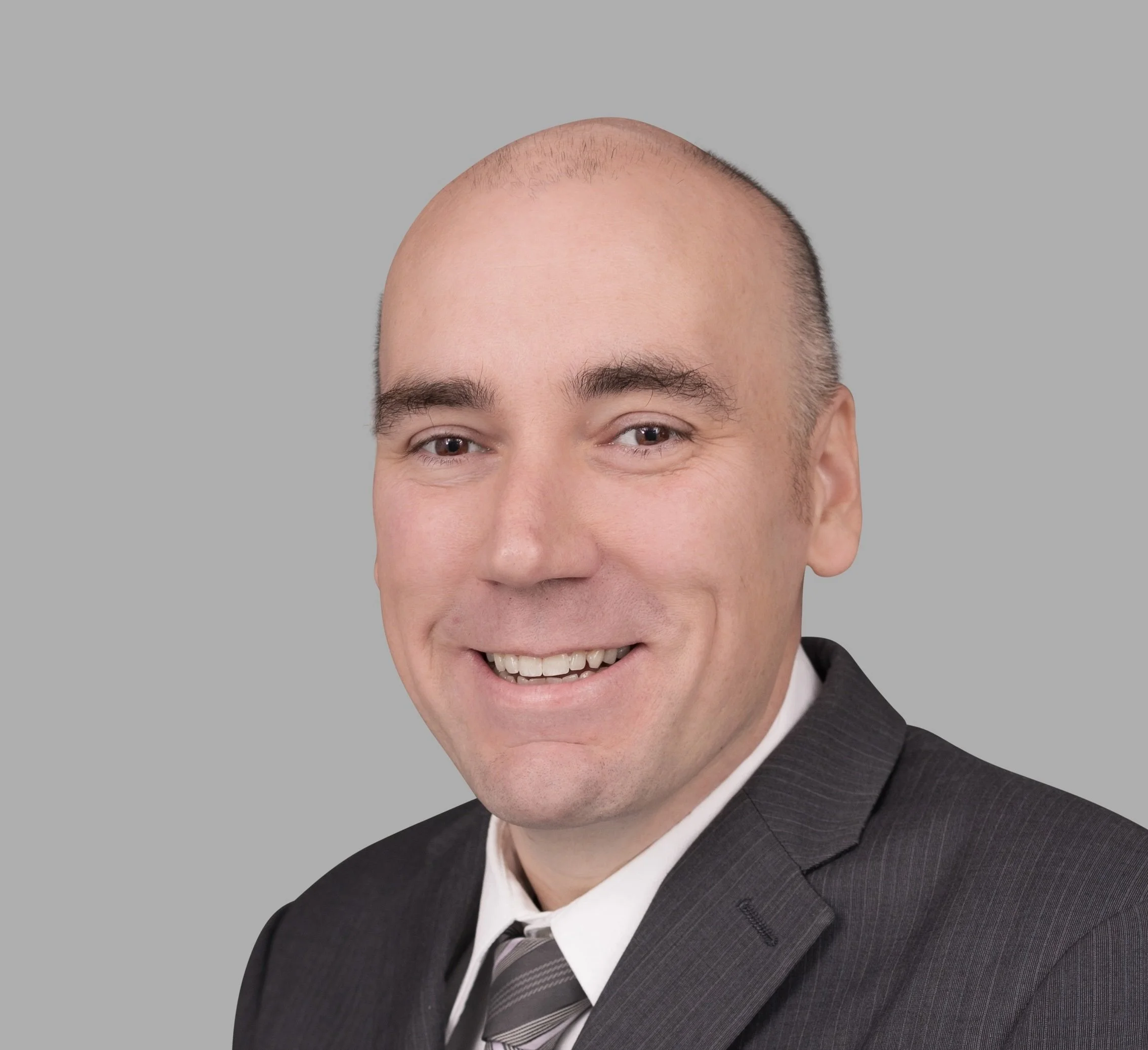
Jason Lesandrini, PhD, FACHE, HEC-C, LPEC is a well recognized ethicist in the field, but that's not what makes the work useful.
What makes it useful is that he's actually done it. For over 20 years he built and led ethics programs inside major health systems, including serving as AVP of Ethics at Wellstar Health System, overseeing one of the largest ethics programs in the Southeast. He's consulted with government agencies and nonprofits, served on AI governance councils, taught ethics at Georgia Tech and Mercer University, and published in peer-reviewed journals.
He also trains in Medical Improv which sounds unusual until you're in a session and realize it's one of the most effective tools for building the communication and teamwork skills that ethics actually requires.
His consulting draws on a framework he's spent years developing and testing: the difference between being a moral person and being a moral manager. Having good values isn't enough. Leaders have to demonstrate ethics visibly, set clear expectations, and build the systems that make ethical behavior the norm rather than the exception. That's the work.
Credentials at a glance:
PhD in Healthcare Ethics, Duquesne University
MA in Philosophy, Georgia State University
Fellow, American College of Healthcare Executives (FACHE)
Healthcare Ethics Consultant — Certified (HEC-C)
Leadership Professional in Ethics and Compliance (LPEC)
Registered Mediator
Adjunct Faculty, Georgia Tech | Mercer University | South College
Vice Chair, Georgia Hospice and Palliative Care Organization

How We Think About This Work
Ethics work can go wrong in two directions. It can be purely theoretical, full of frameworks and philosophy that never touches how an organization actually runs. Or it can be reduced to compliance, checklists and policies that give everyone cover but change nothing.
We try to live in the space between: rigorous enough to handle genuinely complex situations, practical enough to actually change behavior and culture.
Every engagement starts with listening. What's actually happening here? What are the pressure points? Where does the stated culture diverge from the lived one? The work builds from there.
Want to know if this is a fit?
The best way to find out is a conversation. No pitch, no pressure, just a chance to talk through what you're dealing with and whether we can help.